
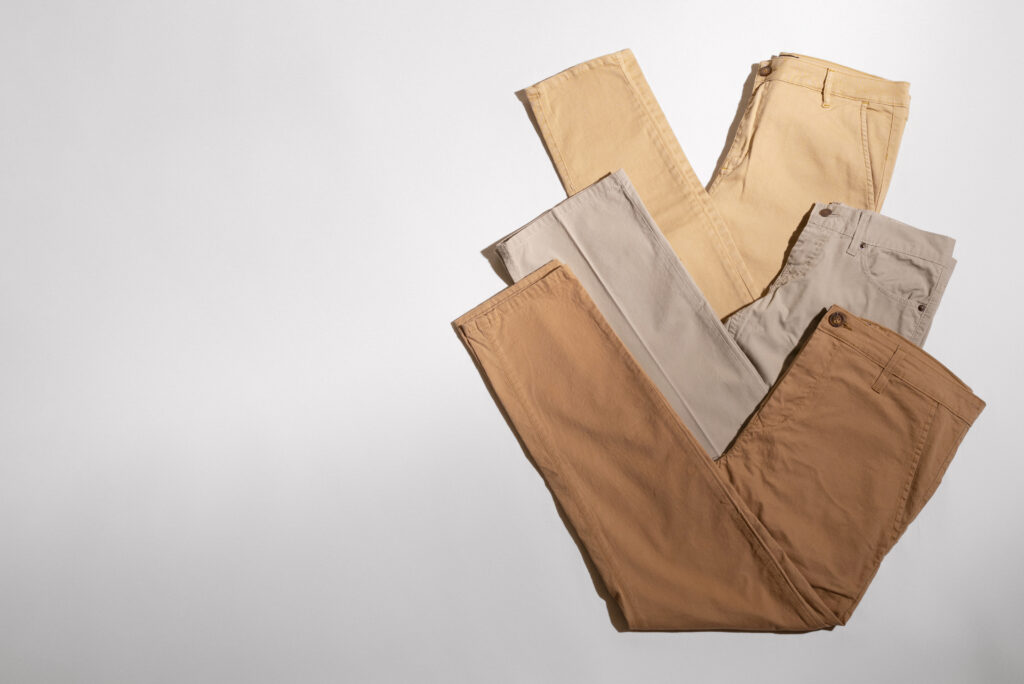
Work pants are more than just clothing, they’re an essential part of your protective gear. For people in construction, manufacturing, or physically demanding jobs, the right trousers are as important as any tool. If they wear out too quickly, you’re left with discomfort, reduced safety, and the added cost of frequent replacements.
In New Zealand, workers face diverse conditions, from wet outdoor environments to heat-heavy factory floors. That’s why durable work pants NZ options are designed not only for toughness but also for breathability and comfort. Whether you’re looking at industrial trousers, tradie gear, or lightweight breathable workwear, making the right choice can significantly improve your day-to-day performance.
This comprehensive guide explores what to look for in durable work pants, which fabrics work best, and how different features—from reinforced knees to heavy-duty fabric—can impact their longevity.
Why Durability in Work Pants Is Non-Negotiable
Durability should always come first when buying work pants. Choosing the wrong pair may mean you’ll be replacing them in a few months, costing you both time and money.
Safety Comes First
Work pants protect against abrasions, cuts, and environmental hazards. If the fabric wears out quickly, your safety can be compromised.
Long-Term Value
While cheaper trousers might save you upfront, they often don’t last. Investing in heavy-duty fabric and strong stitching means fewer replacements and better cost savings.
Comfort and Productivity
Durability doesn’t have to mean stiffness. Many modern designs use blends of strong fibres and stretch technology to deliver both resilience and comfort.
Key Features to Look for in Durable Work Pants
Durable workwear goes beyond just the fabric. Let’s explore the most important features to keep in mind.
1. Heavy-Duty Fabric
Materials like cotton duck, ripstop nylon, and canvas blends provide superior abrasion resistance. They’re designed to withstand repeated friction, whether you’re working on your knees or carrying heavy tools.
2. Reinforced Knees
Knees are one of the first areas to wear out. Double or triple layers at the knee extend the lifespan of trousers and add an extra layer of comfort when kneeling for long periods.
3. Breathable Workwear Designs
Long hours in heavy clothing can lead to discomfort. Work pants with breathable fabrics or vented panels allow airflow while still providing the durability you need.
4. Strong Stitching and Seams
Durable pants often feature triple-stitched seams or bartack reinforcements at stress points. This prevents tearing when bending, lifting, or carrying heavy loads.
5. Functional Pockets and Tool Loops
Extra storage might not seem like a durability feature, but poorly designed pockets wear down quickly. Reinforced pockets built to hold tools extend the lifespan of trousers while improving convenience.
Comparing Work Pant Fabrics
The type of fabric makes a huge difference in performance. Below is a detailed breakdown of the most common materials used in industrial trousers and tradie gear.
| Fabric Type | Durability Level | Comfort & Breathability | Typical Use Case |
| Cotton Duck | Very High | Moderate | Heavy-duty construction |
| Ripstop Nylon | High | High | Outdoor work, lighter tradie gear |
| Canvas Blends | High | Moderate | Industrial and factory work |
| Polyester/Cotton | Medium | High | Everyday workwear, general trades |
| Denim Workwear | Medium | Moderate | Casual trade or lighter duties |
Work Pants for Different Industries
Not all industries have the same requirements. Let’s look at how work pants differ depending on where you work.
Construction and Trades
-
- Reinforced knees and tough fabrics are essential.
-
- Water- and abrasion-resistant coatings help with outdoor environments.
-
- Extra pockets and tool storage improve efficiency.
Manufacturing and Industrial Work
-
- Industrial trousers often prioritise safety features like flame resistance.
-
- Comfort matters, especially for long shifts.
-
- Durable stitching ensures pants can handle machinery-heavy environments.
Corporate and Uniform Environments
-
- Appearance plays a role here alongside durability.
-
- Look for trousers that balance toughness with professional style.
Healthcare and Service Roles
-
- Breathability and comfort take priority.
-
- Easy-care fabrics reduce washing effort while maintaining durability.
Tradie Gear: Built for Everyday Demands
For tradespeople, work pants are an everyday uniform. They need to be tough enough for physical labour but comfortable enough to wear for 10–12 hours.
Key features for tradies include:
-
- Stretch panels for movement.
-
- Tool loops and reinforced pockets.
-
- Heavy-duty fabric that resists abrasion.
-
- Breathability for outdoor work.
Well-designed tradie gear strikes the perfect balance between function and comfort, ensuring long-term wear without restriction.
Balancing Breathability with Strength
One of the biggest challenges in designing work pants is combining toughness with airflow. Workers in hot conditions need ventilation, but fabrics still must resist tearing and wear.
Modern innovations in breathable workwear make this balance possible:
-
- Moisture-wicking linings keep sweat under control.
-
- Ventilation panels add airflow without reducing strength.
-
- Stretch canvas and ripstop fabrics combine flexibility with durability.
Choosing the Right Fit
Fit is as important as fabric. Ill-fitting trousers reduce comfort and can wear out faster due to added stress at seams.
Key Considerations:
-
- Relaxed fit: Better for layering in colder conditions.
-
- Slim fit: Offers less bulk but must still allow movement.
-
- Adjustable waists: Improve comfort over long shifts.
The right fit prevents unnecessary wear and ensures you’re comfortable throughout the day.
Maintenance Tips for Long-Lasting Work Pants
Even the toughest pants won’t last forever if not cared for properly. Simple maintenance can extend their life by years.
Washing and Drying
-
- Wash in cold water to reduce fibre weakening.
-
- Avoid bleach or harsh chemicals.
-
- Air dry where possible; high heat can damage fibres.
Repair and Reinforcement
-
- Patch early signs of wear, especially at knees.
-
- Reinforce seams if stitching starts to fray.
Rotation and Replacement
-
- Keep multiple pairs in rotation.
-
- Don’t wait until trousers are fully torn before replacing; preventative changes save time and hassle.
Conclusion
Durable work pants aren’t just another purchase, they’re an investment in safety, comfort, and long-term value. By choosing designs that use heavy-duty fabric, feature reinforced knees, and incorporate breathable workwear elements, you’ll ensure that your gear lasts through tough conditions without sacrificing comfort.
From construction workers and industrial staff to healthcare professionals and tradies, everyone benefits from trousers built to perform under pressure. The right choice means fewer replacements, improved safety, and better productivity on the job.
Call to Action
Ready to upgrade your workwear? Start by identifying what matters most durability, comfort, or breathability, and choose trousers built for your industry’s demands. The right pair of durable work pants NZ workers can rely on will keep you safe, comfortable, and efficient every day.
FAQs
What are the most durable work pants available in NZ?
Pants made from cotton duck or canvas blends with reinforced knees are generally the most durable.
Do breathable work pants compromise toughness?
Not always. Many modern breathable workwear designs combine airflow with abrasion resistance, giving you both durability and comfort.
How often should I replace work pants?
With proper care, high-quality industrial trousers can last several years, depending on intensity of use.
Are reinforced knees worth it?
Yes. Reinforced knees significantly extend the lifespan of work pants, especially in industries where kneeling is frequent.
What is the best balance of comfort and durability?
Tradie gear with stretch canvas or ripstop fabrics usually provides the best mix of toughness, mobility, and comfort.